Hangovers: what causes them and what helps
On this page
A hangover starts as your blood alcohol nears zero, the morning after an evening that went faster than your liver. How drunk you got is what sets how bad it is. Darker drinks feel a little worse, water during the evening helps only a little, and no cure has held up in trials.
Everyone has a theory. It’s dehydration, so drink water. It’s mixing, so stick to one thing. It’s the cheap wine, the sugar, the order you drank in. There’s a whole shelf of pills and powders built on these ideas. The studies keep coming back to something less fun, which is that the size of the hangover mostly tracks the size of the night.
What we’d do
Skip the cures and shrink the evening instead. Count the pour, eat a real meal first, slow down, and stop earlier, so less alcohol is in you and it runs out sooner. If you want a smaller hangover from the drinks you do have, pick lighter-colored ones. The next morning, sleep in if you can and eat breakfast.
If you remember three things
- How drunk you got sets the hangover. In a trial of 90 people, feeling drunk and vomiting predicted the worst hangovers, and the type and order of drinks didn’t.
- Water is a small help. Water during the evening had only a modest effect, and water during the hangover didn’t change it.
- Nothing reliably cures it. A review of eight remedy trials found no convincing evidence for any of them.
When does a hangover start?
It starts later than people think. A 2024 review by hangover researchers describes the hangover as starting “when blood alcohol concentration approaches zero.” It’s like the ringing in your ears after a loud concert. It starts once the music stops, and how loud it was decides how long it lasts.
That means a big night can push the start of a hangover well into the next day. On our engine, a 190 lb man who has five 12 oz beers between 7 and 11pm is mostly clear at about 4:25am. A 150 lb woman who has five 6 oz glasses of 13.5% wine over the same hours, about 6.8 US drinks, is mostly clear at about 1:10pm the next day (as early as 8:45am or as late as 10pm, depending on her liver), so her hangover may not start until lunch.
A level that high also means the alcohol is still in her blood through the whole night, and the second half of that night will be broken. The two halves of a drinking night shows why.
What makes a hangover worse?
Mostly, it’s the dose. In a 2019 trial in Germany, 90 people aged 19 to 40 drank beer, wine or both until they reached the same high breath alcohol level, and rated their hangover the next day. The strongest predictors of a bad hangover were how drunk they felt and whether they vomited.
The type of drink adds a little. In a 2010 study, 95 heavy drinkers aged 21 to 33 drank either bourbon or vodka, to the same level, and a placebo on another night. People felt worse the morning after bourbon, which carries more of the byproducts of fermenting and aging called congeners. The alcohol cut their sleep efficiency and REM sleep either way, and it hurt their attention and speed the next day either way. Hangovers went along with worse scores on those tests.
Does the order of drinks matter?
No. In the same 2019 trial, half the drinkers had beer first and then wine, and the others had wine and then beer. At least a week later they swapped. A third group had only beer or only wine. Neither the type nor the order changed how bad the hangover was. Beer before liquor has the full story.
Is a hangover just dehydration?
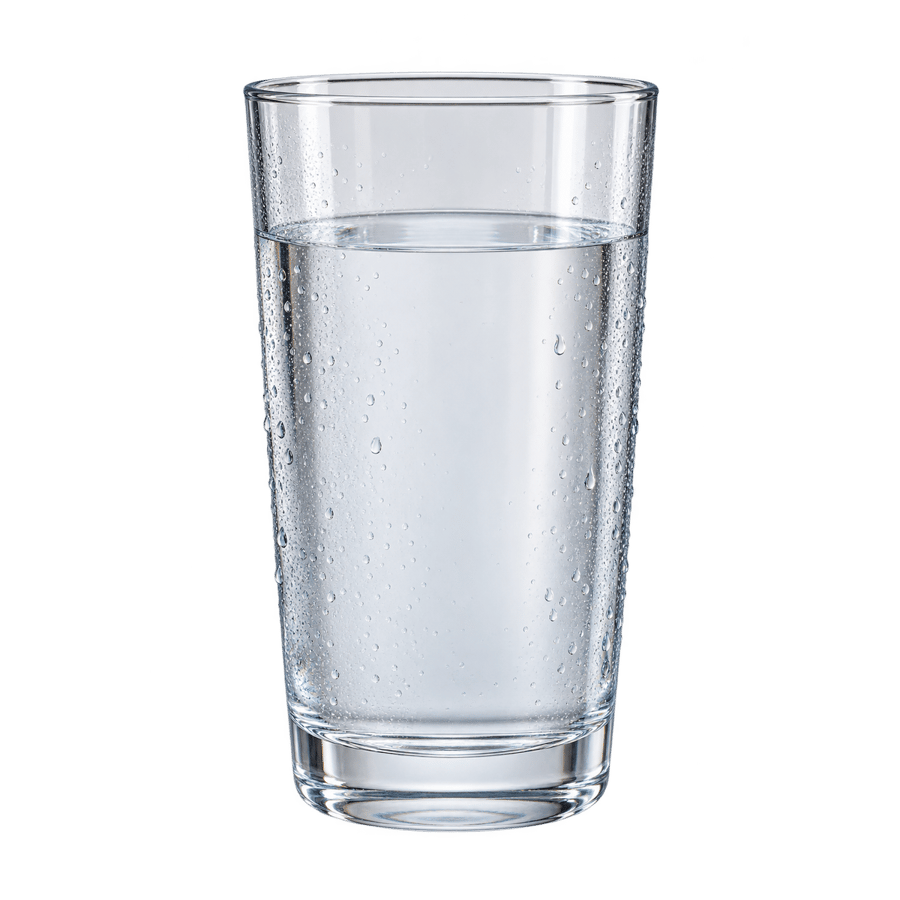
Dehydration is part of it, but a smaller part than people think. The 2024 review looked at how hangovers, thirst and water drinking line up. Dehydration and the hangover happen at the same time, but separately. The dehydration was usually mild and short, and the hangover lasted longer. Water during or right after drinking had only a modest effect in preventing a hangover. Water drunk during the hangover didn’t change it.
The WHOOP data points the same way. After five drinks more than usual, nights that members logged as well hydrated came with a sleeping heart rate just 0.3 beats lower. A glass of water between drinks is still a good idea, mostly because it slows you down. Water between drinks covers it.
Does any hangover cure work?
Nobody has shown that one does. In 2005, researchers reviewed every randomized trial of a hangover remedy they could find. There were eight, testing eight things, from a blood pressure pill and an anti-nausea drug to borage oil, artichoke, prickly pear and a yeast preparation. Three showed some difference in a single small trial each. The authors concluded “no compelling evidence exists” that any of them works. That review is 20 years old, so it can’t speak to anything tested since.
Gyroscope’s old alcohol guide suggested B12 and folate, fermented foods, milk thistle and chrysanthemum tea. We couldn’t find a source that holds up for any of them, so they’re gone.
What helps the next day?
Time helps most, then sleep, then food.
- Sleep. In the WHOOP data, after five drinks more than usual, nights with more sleep than usual came with a sleeping heart rate 2.9 beats lower and HRV 7.2 ms higher than nights with less. If you can sleep in, do.
- Breakfast. In a 1994 lab study, a meal eaten five hours after drinking, while alcohol was still in the blood, sped up clearing by 36 to 50%. If you wake up after a big night with alcohol still in you, eating helps it leave sooner.
- Water. Drink to thirst, but don’t expect it to fix the hangover. In the 2024 review, water drunk during a hangover didn’t change how bad it was.
Someone who is very drunk is a different situation from a hangover. NIAAA warns that it’s dangerous to assume a person who has passed out will be fine sleeping it off, because their level can keep rising. If someone can’t be woken, is breathing slowly or irregularly, has a seizure, or is vomiting while barely conscious, call 911.
7 sources
- Mackus M and others, Alcohol hangover versus dehydration revisited: the effect of drinking water to prevent or alleviate the alcohol hangover, Alcohol, 2024pubmed.ncbi.nlm.nih.gov
- Köchling J and others, Grape or grain but never the twain? A randomized controlled multiarm matched-triplet crossover trial of beer and wine, American Journal of Clinical Nutrition, 2019pubmed.ncbi.nlm.nih.gov
- Rohsenow DJ and others, Intoxication with bourbon versus vodka: effects on hangover, sleep, and next-day neurocognitive performance in young adults, Alcoholism: Clinical and Experimental Research, 2010pubmed.ncbi.nlm.nih.gov
- Pittler MH, Verster JC, Ernst E, Interventions for preventing or treating alcohol hangover: systematic review of randomised controlled trials, BMJ, 2005pubmed.ncbi.nlm.nih.gov
- Grosicki GJ and others, Real-world effects of alcohol on heart rate, sleep, and physical activity by age and sex, PLOS Digital Health, 2026 (funded by WHOOP)pubmed.ncbi.nlm.nih.gov
- Jones AW, Jönsson KA, Food-induced lowering of blood-ethanol profiles and increased rate of elimination immediately after a meal, Journal of Forensic Sciences, 1994pubmed.ncbi.nlm.nih.gov
- National Institute on Alcohol Abuse and Alcoholism, Understanding the Dangers of Alcohol Overdose, updated December 2025niaaa.nih.gov