How long does one drink stay in your system?
On this page
About 2 to 3.5 hours for most adults. At an average clearing rate, one US drink is mostly out of the blood about 2.1 hours after the first sip for a 190 lb man and 3.5 hours for a 130 lb woman. One drink an hour is too fast for almost everyone.
One drink an hour is the most repeated number about alcohol. It matches how a single drink feels, since the buzz is mostly gone after an hour. The liver works on a different clock, and the alcohol is still there well after the feeling fades.
What we’d do
Plan on a couple of hours for each drink, and more for a smaller body. Check what’s in the glass before you count it as one. A 6 oz restaurant pour of 13.5% wine is 1.35 drinks and a 16 oz IPA is almost 2, so for a 150 lb woman the “one drink” she ordered takes about 4 to 5.5 hours to clear.
What counts as one drink?
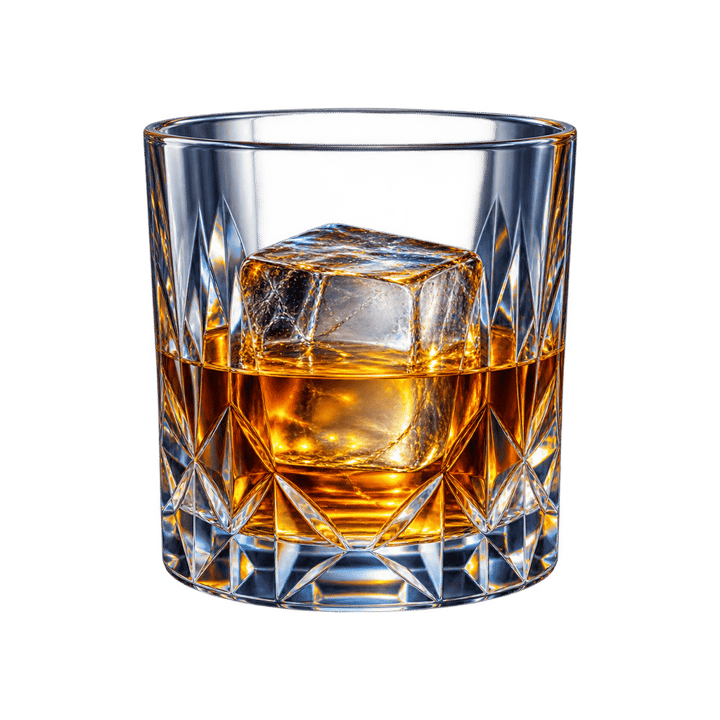
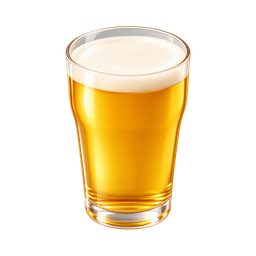
A US standard drink is about 14 g of pure alcohol, according to NIAAA. That’s a 12 oz beer at 5%, a 5 oz glass of wine at 12% or a 1.5 oz shot of 40% spirits. NIAAA adds that these amounts may not match what people really get poured.
How long, by body
On our engine, for one standard drink with food not known, this is the time from the first sip until it’s mostly cleared. The range in brackets is a liver at the fast and slow ends of the normal range.
| Body | One US drink |
|---|---|
| Woman, 130 lb | 3.5 hours (2.7 to 5.1) |
| Woman, 160 lb | 2.9 hours (2.2 to 4.2) |
| Woman, 190 lb | 2.5 hours (1.9 to 3.6) |
| Man, 160 lb | 2.4 hours (1.9 to 3.4) |
| Man, 190 lb | 2.1 hours (1.6 to 2.9) |
| Man, 220 lb | 1.8 hours (1.5 to 2.6) |
Even a 220 lb man with a liver at the fast end of the range needs about an hour and a half.
Why one drink takes two hours or more
Picture a bathtub with a drain that only opens so wide. Pour in a bucket and the water rises fast, then falls at the drain’s pace, and the last inch drains slowest of all.
Your liver’s drain is an enzyme that gets saturated after a drink or two. A 2010 review of the published rates found the level in your blood then falls by about 15 mg per 100 mL an hour on average, and 10 to 20 in most people. One 14 g drink lifts most people’s level higher than that, so it can’t be gone in an hour. Once the level gets very low, the enzyme slows down and the tail takes longer still.
Body water sets how high the drink pushes you. Alcohol spreads through the water in your body, and pound for pound women have less of it than men, according to NIAAA. That’s why the same beer lasts about half an hour longer in a 160 lb woman than in a 160 lb man.
Does food change it?
A little, for one drink. On our engine, a 150 lb woman’s single drink takes about 3 hours with a meal and about 3.5 on an empty stomach. Food does a lot more on a bigger evening, which does eating before drinking help shows.
Where the numbers stop
These are averages. A 2010 review put the full range of clearing in healthy people at 10 to 35 mg per 100 mL an hour, and a 2015 review found body water changes with build as well as sex. The engine doesn’t know your medicines, your liver or how big your pour really was, and it never tells you when you can drive.
1 US drinks
Beer, 12 oz, 5%: 14 g of alcohol and about 98 calories from the alcohol alone.
When will tonight's drinks clear?
Bed at 11:00pm
Mostly cleared by 2:50am
That's about 3.8 hours of your sleep with alcohol in your blood (3.1 to 4.9 if your liver runs faster or slower).
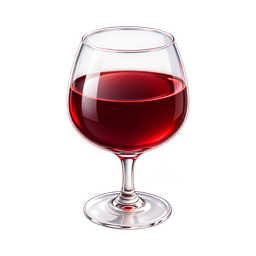 Restaurant pour6 oz, 13.5%, 1.35 US drinks
- Restaurant pour6 oz, 13.5%, 1.35 US drinks
 REM: More REM lost. Your evening is 0.56 g of alcohol per kg of body weight.
The full clock, with the band, the same drinks two hours earlier and what your heart does.
4 sources
- Jones AW, Evidence-based survey of the elimination rates of ethanol from blood with applications in forensic casework, Forensic Science International, 2010pubmed.ncbi.nlm.nih.gov
- National Institute on Alcohol Abuse and Alcoholism, What Is A Standard Drink? Updated December 2025niaaa.nih.gov
- National Institute on Alcohol Abuse and Alcoholism, Women and Alcohol, updated December 2025niaaa.nih.gov
- Searle J, Alcohol calculations and their uncertainty, Medicine, Science and the Law, 2015pmc.ncbi.nlm.nih.gov