Does eating before drinking help?
Yes, a lot. In a lab study, ten men drank the same dose once right after breakfast and once on an empty stomach. After breakfast their peak was about a third lower, they felt less drunk, and the alcohol cleared about two hours sooner.
People talk about food “soaking up” the alcohol, as if a sandwich were a sponge that keeps some of it out. All of the alcohol still gets in. Food slows how fast it reaches your blood, which keeps the peak lower, and the meal also gets the liver clearing faster.
What we’d do
Eat a real meal before or with your first drink, every time. Of all the things people try, it’s the only one that makes the same drinks cost less of your night. It doesn’t make a big evening small, so count the drinks too.
What did the study find?
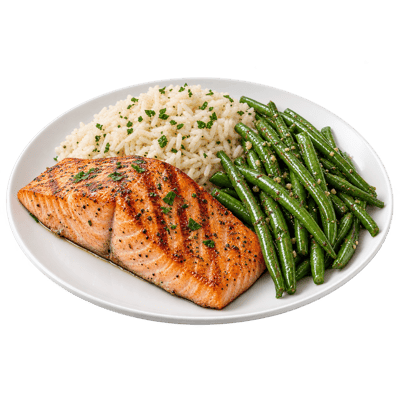
In 1994, A.W. Jones and K.A. Jönsson, at the alcohol toxicology department of the university hospital in Linköping, Sweden, gave ten healthy men 0.8 g of alcohol per kg of body weight, about 4 US drinks for a 165 lb man. One morning they drank it after an overnight fast. The other morning they drank it right after a breakfast of orange juice, fruit yogurt, two cheese sandwiches, a boiled egg and a coffee with milk and sugar.
After breakfast, the peak in their blood was about a third lower and it took about two hours less to clear. In a second test, the men ate a meal five hours after drinking, long after all the alcohol was in their blood, and the rate it left their blood still went up by 36 to 50%. A 2010 review of the published rates found the same pattern: clearing runs at 10 to 15 mg per 100 mL an hour on an empty stomach and 15 to 20 after eating.
How it works
A full stomach is like a narrow funnel. The same drink goes through, just more slowly, so it trickles into your blood instead of arriving all at once and the peak stays lower. Then the meal speeds up the liver’s work as well, which is why the whole curve ends sooner.
What it does to one evening
On our engine, a 150 lb woman drinks two 6 oz glasses of 13.5% wine, finished at 8pm and 9pm, and goes to bed at 11pm.
| Food | Mostly cleared | Hours of sleep with alcohol |
|---|---|---|
| With dinner | about 2:50am | about 3.8 |
| Not sure | about 3:40am | about 4.6 |
| Empty stomach | about 5:00am | about 6 |
Dinner gives her more than two hours of her night back. The absorption times in our engine are our own estimates, and against the 1994 study they show a little less benefit from food than the men really got.
Where it stops helping
A meal can’t make four drinks clear by bedtime. On our engine, three drinks at 7, 8 and 9pm keep a 160 lb woman’s level up until about 2:20am even with dinner. Eat first, and then use Last call for the rest.
When will tonight's drinks clear?
Bed at 11:00pm
Mostly cleared by 2:50am
That's about 3.8 hours of your sleep with alcohol in your blood (3.1 to 4.9 if your liver runs faster or slower).
- Restaurant pour6 oz, 13.5%, 1.35 US drinks
- Restaurant pour6 oz, 13.5%, 1.35 US drinks
 REM: More REM lost. Your evening is 0.56 g of alcohol per kg of body weight.
The full clock, with the band, the same drinks two hours earlier and what your heart does.
2 sources
- Jones AW, Jönsson KA, Food-induced lowering of blood-ethanol profiles and increased rate of elimination immediately after a meal, Journal of Forensic Sciences, 1994pubmed.ncbi.nlm.nih.gov
- Jones AW, Evidence-based survey of the elimination rates of ethanol from blood with applications in forensic casework, Forensic Science International, 2010pubmed.ncbi.nlm.nih.gov