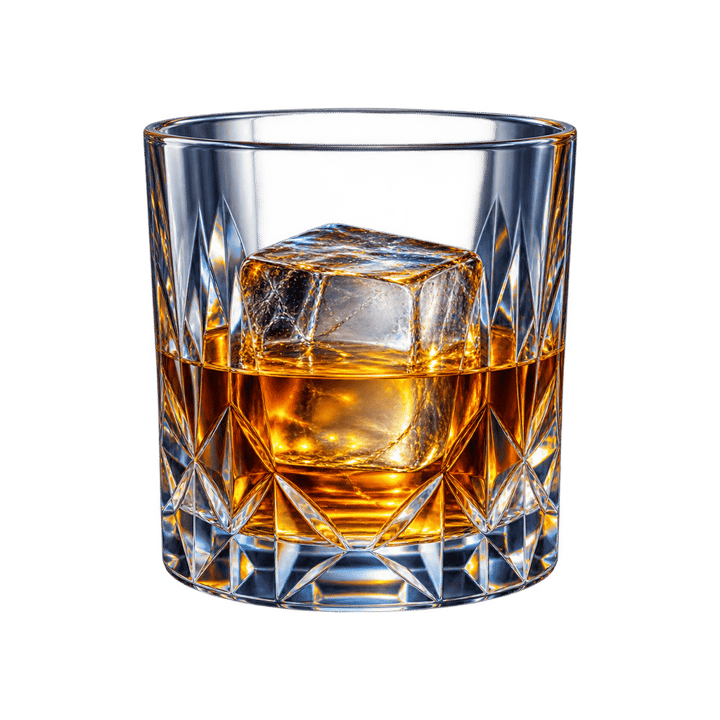
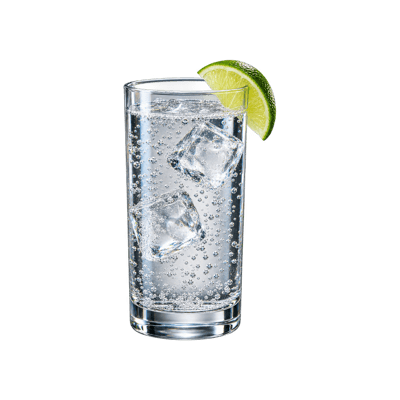
What does sober curious mean? The people drinking less
On this page
Sober curious means asking why you drink, and trying less or none, without calling yourself an alcoholic or swearing off alcohol forever. It started as the name of a 2018 book, and it fits a real shift: Gallup found 54% of US adults drink, the lowest in nearly 90 years, and among 18 to 34 year olds it fell from 59% to 50% in two years.
For most of the last century, there were two kinds of people at a party: people who drank, and people who had a reason not to. Not drinking needed an explanation, a pregnancy, a medicine, a recovery. Sober curious is the idea that you don’t need one. You can just wonder whether you’d feel better without it, and find out.
What we’d do
Run the experiment. Take two or four weeks off, track your sleep and your mornings, and see what you miss and what you don’t. Then decide what place, if any, you want alcohol to have. If you find it’s hard to stop, that’s useful to know too, and help is free.
Where the name comes from
The writer Ruby Warrington published Sober Curious with HarperOne in 2018. She described questioning her own drinking, and wrote, “I have termed this questioning as getting Sober Curious.” It gave a name to changing your drinking without the language of recovery.
The numbers behind it
The shift is bigger than a hashtag. In Gallup’s August 2025 poll:
- 54% of US adults said they drink, down from 62% in 2023 and the lowest in Gallup’s trend, which goes back to 1939.
- Young adults led the drop. Among 18 to 34 year olds, drinking fell from 59% in 2023 to 50%, and about two thirds of them said moderate drinking is harmful.
- Drinkers drink less. The average drinker reported 2.8 drinks in the past week, down from 3.8 a year earlier, and only 24% had a drink in the past 24 hours, a record low.
- 53% of all adults said even moderate drinking is bad for your health, up from 28% in 2018. Only 6% said it’s good for you.
A separate survey of 1,000 US adults in November 2025 found 50.6% said they don’t drink at all.
Why now
Several things changed at once, and the data can’t say which mattered most. The health message changed: the World Health Organization said in 2023 that no amount is safe, and the 2025-2030 US Dietary Guidelines dropped their daily allowance for “Consume less alcohol for better overall health.” Wearables made the cost visible, since a ring or watch shows a higher overnight heart rate after a drinking night. And the drinks got better. Non-alcoholic beer, wine and spirits passed $1 billion in US sales in 2025, by NielsenIQ’s count, and non-alcoholic beer went from 1.1% of US beer volume in 2021 to 2.5% in 2025, by the Brewers Association’s.
Sober curious, damp and dry
| Term | What people usually mean |
|---|---|
| Sober curious | Questioning your drinking, trying less or none, no label |
| Damp January | Cutting back in January instead of stopping |
| Dry January | No alcohol for the month |
| Mindful drinking | Deciding each drink on purpose, often fewer |
These are everyday terms, and none of them is a diagnosis. All of them point the same way, toward less.
Is it for you?
NIAAA’s Rethinking Drinking says the decision to change your drinking is up to you, mixed feelings are normal, and changing sooner is better than waiting to “hit bottom.” If you want to start, Dry January is the classic first step any month of the year, and the best non-alcoholic drinks solves the empty-hand problem. If you’d rather keep drinking but less, if you still want to drink has how.
8 sources
- Warrington R, Sober Curious, HarperOne, 2018, excerpt at Kripalukripalu.org
- Saad L, U.S. Drinking Rate at New Low as Alcohol Concerns Surge, Gallup, August 13, 2025news.gallup.com
- Verasight, Half of Americans don't drink and skipped Dry January, survey of 1,000 US adults fielded November 14-20, 2025data.verasight.io
- NielsenIQ, 2025 Beverage Alcohol Year in Review, January 15, 2026nielseniq.com
- Gacioch M, The State of Non-Alc, Brewers Association, January 16, 2026brewersassociation.org
- World Health Organization Regional Office for Europe, No level of alcohol consumption is safe for our health, January 4, 2023who.int
- US Department of Health and Human Services and US Department of Agriculture, Dietary Guidelines for Americans, 2025-2030, Limit Alcoholic Beveragescdn.realfood.gov
- National Institute on Alcohol Abuse and Alcoholism, Rethinking Drinking, Thinking About a Changerethinkingdrinking.niaaa.nih.gov