A big meal soaks up the alcohol
Short answerSort of
On this page
Sort of. Food doesn’t soak alcohol up like a sponge, but eating before you drink really helps. In a lab study, drinking right after breakfast gave a peak about a third lower and cleared the same dose about two hours sooner. A big evening still runs well into the night.
What we’d do
Eat a real meal before your first drink, every time. It’s the one thing that measurably lowers the peak and shortens the night. But don’t treat dinner as permission for more drinks, because your sleep and the US drinking lines count the alcohol, whatever you ate. A snack after the drinks helps too, but it can’t lower a peak that has already happened.
If you remember three things
- A meal first lowers the peak. About a third lower after breakfast than on an empty stomach, in a lab study of ten men.
- It also speeds up the liver. The same dose cleared about two hours sooner, and the liver runs 15 to 20 mg per 100 mL an hour after eating against 10 to 15 fasted.
- It doesn’t make a big night short. Three drinks at 7, 8 and 9pm still keep a 160 lb woman’s level up until about 2:20am with dinner.
Why do people believe it?
There’s something to it. Lots of people notice that a drink on an empty stomach hits harder and faster than one with dinner. In the breakfast study below, every single man said he felt less drunk when he’d eaten first. It’s a short step from there to the idea that bread or a burger soaks the alcohol up and takes it out of the picture.
What did the breakfast study find?
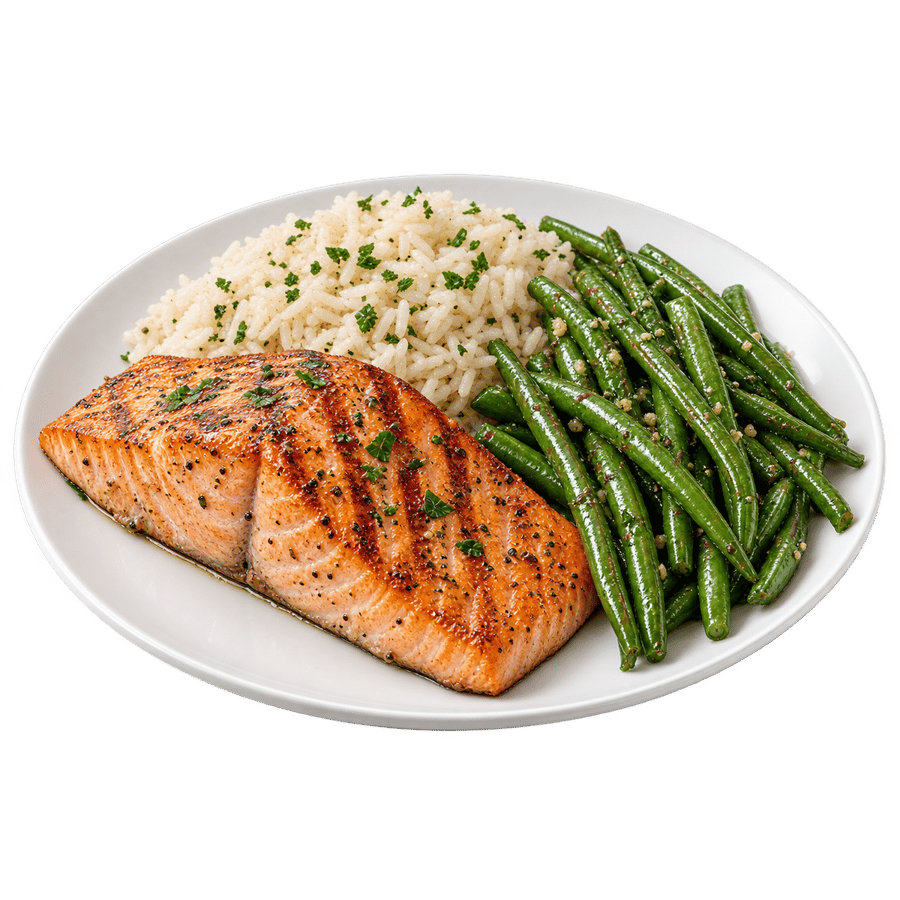
In a 1994 study, ten healthy men drank the same dose of alcohol on two mornings, 0.8 g per kg of body weight, about four US drinks for a 165 lb man. One morning they drank after an overnight fast. The other morning they drank right after a breakfast of orange juice, fruit yogurt, two cheese sandwiches, a boiled egg, and coffee with milk and sugar.
After breakfast, their peak level was about a third lower. Their total exposure to alcohol over the next six hours, measured as the area under the blood curve, was about 40% lower. And their bodies took about two hours less to clear the dose.
The researchers then tried a meal eaten five hours after drinking, once all the alcohol was in the blood. Their clearing rate still rose by 36 to 50%. Food slows alcohol on the way in, and it also speeds up the liver.
A meal works less like a sponge and more like a traffic light on a highway on-ramp. The cars get on more slowly and never pile up as high. And in this case, the toll booth at the far end speeds up too.
Why doesn’t it make a big night short?
The liver still has a fixed pace, just a slightly faster one. A 2010 review of the published rates found the level falls 10 to 15 mg per 100 mL an hour on an empty stomach and 15 to 20 after eating. That’s a real difference, but it still adds up to hours.
On our engine, here’s three US drinks at 7, 8 and 9pm, empty stomach against with dinner.
| Body | Empty stomach, mostly cleared | With dinner, mostly cleared |
|---|---|---|
| Woman, 130 lb | about 6:30am | about 3:40am |
| Woman, 160 lb | about 4:30am | about 2:20am |
| Man, 190 lb | about 1:45am | about 12:30am |
| Man, 220 lb | about 12:55am | about 12:05am |
Dinner gives back one to three hours, more for smaller bodies. For most people, three drinks still go to bed with them. Our engine treats food cautiously, so the real difference may be a little bigger than this, but it won’t turn a three-drink evening into a clear bedtime for most bodies. Tonight’s clear time lets you switch the meal on and off for your own drinks.
The best case for it
“So if I eat a big dinner, I can drink more.” The food helps the peak and the clearing time, but it doesn’t change the grams. The sleep studies measured the cost of alcohol in grams per kg of body weight, and across 27 studies REM sleep was cut from a low dose, about two US drinks for a 130 lb woman. NIAAA’s lines for heavy and binge drinking count drinks, whatever you ate with them. And alcohol still in the stomach keeps entering the blood after your last drink, with or without food, as NIAAA points out.
Eat first, and count the same way you would on an empty stomach. Drinking with less cost to your night has the other changes that help.
5 sources
- Jones AW, Jönsson KA, Food-induced lowering of blood-ethanol profiles and increased rate of elimination immediately after a meal, Journal of Forensic Sciences, 1994pubmed.ncbi.nlm.nih.gov
- Jones AW, Evidence-based survey of the elimination rates of ethanol from blood with applications in forensic casework, Forensic Science International, 2010pubmed.ncbi.nlm.nih.gov
- Gardiner C and others, The effect of alcohol on subsequent sleep in healthy adults: a systematic review and meta-analysis, Sleep Medicine Reviews, 2025pubmed.ncbi.nlm.nih.gov
- National Institute on Alcohol Abuse and Alcoholism, Drinking Levels and Patterns, updated January 2026niaaa.nih.gov
- National Institute on Alcohol Abuse and Alcoholism, Understanding the Dangers of Alcohol Overdose, updated December 2025niaaa.nih.gov